Make the history specific
Years in business can be a powerful opening, but a date alone does not explain why a homeowner should care. Ask what the company learned over those years. Perhaps the same family still answers the phone, the team understands older local homes or the business has built lasting relationships with specialist trades.
Use only details the owner can verify. Confirm the founding year, the ownership history and what the company actually does today. If the business has changed hands or expanded its services, explain that plainly. A precise story feels more credible than a broad claim about generations of excellence.
Connect the story to the present-day experience
A homeowner wants to know who will visit, how the scope will be developed and what happens when a question comes up during construction. Show how the company works today. An owner introduction and a simple explanation of communication can make family ownership tangible.
Keep the company history concise on the homepage and offer a fuller account on the about page. Pair it with recent work so the site does not feel like an archive. Longevity should support the current offer rather than replace a clear description of it.
Give each project enough context
A project gallery becomes more useful when the photographs have a story. Explain the original need, the type of work completed and one important design or construction decision. Name the general location only when the client has approved it and avoid disclosing private details.
Distinguish finished work from plans, inspiration and renderings. Where possible, show a few coherent views of the same project instead of an endless collection of unrelated images. Help the visitor understand what the company contributed and which service fits their own plans.
Explain the estimate process before asking for one
A request for an estimate can feel like a large commitment. Tell homeowners what to share initially, whether a site visit may be needed and how the team determines the next step. Avoid promising a price or turnaround time the business cannot reliably deliver.
A short form can ask for the project location, type of work and a brief description. Add a way to share photographs when the process supports it. Explain that an initial conversation helps establish fit, so both the homeowner and the contractor know what to expect.
Keep trust details current
Have the business confirm any license, insurance and warranty language before publishing it. Link to appropriate verification resources when available. Testimonials should come from actual customers with permission, and photographs should accurately represent the company and its work.
Review these details during routine website care. Phone numbers, service areas and team responsibilities can change even when the business history stays the same. A longstanding company deserves a website that feels actively cared for.
What to carry forward
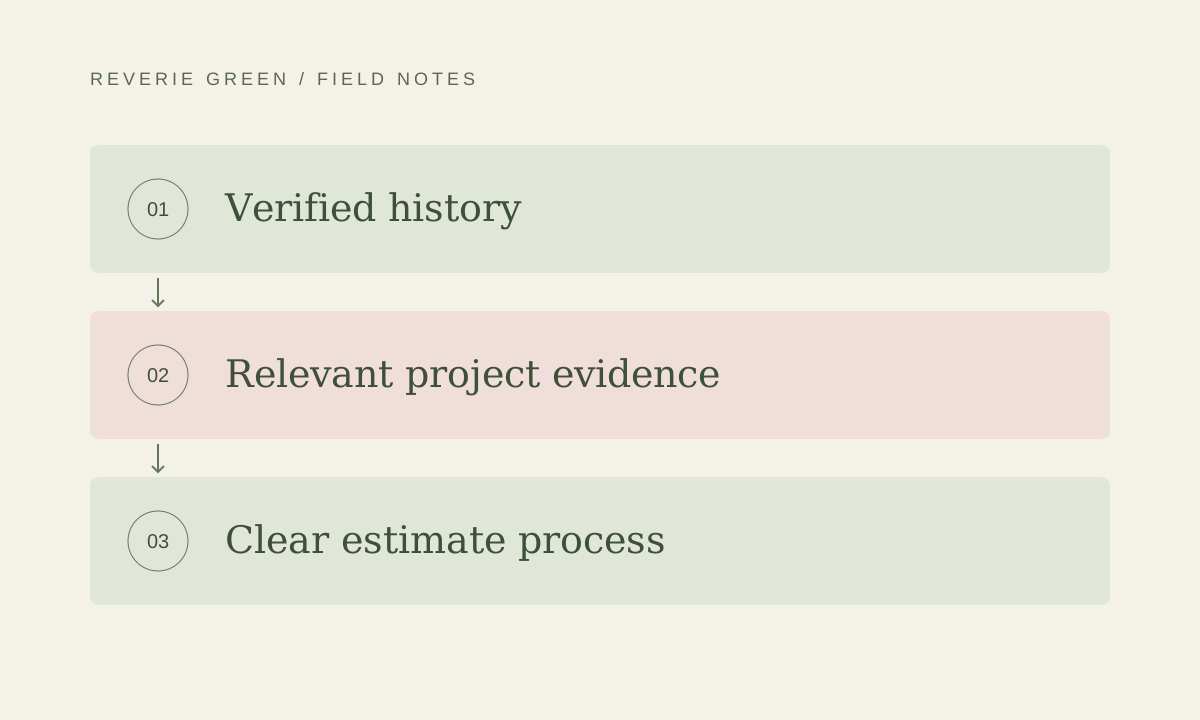
- Translate company history into practical customer benefits.
- Give project photography accurate scope and context.
- Explain what happens after an estimate request.